

LEVERAGING RESOURCES - MAKING GREAT PROCUREMENT DECISIONS
Public agencies have several legal procurement avenues to help them secure products and services. The traditional bid system is not preferred by many agencies due to the inability to control the bidders. Many agencies have turned to cooperative contracts, which, when used properly, can help these agencies obtain the best materials, best services, and fair market pricing.
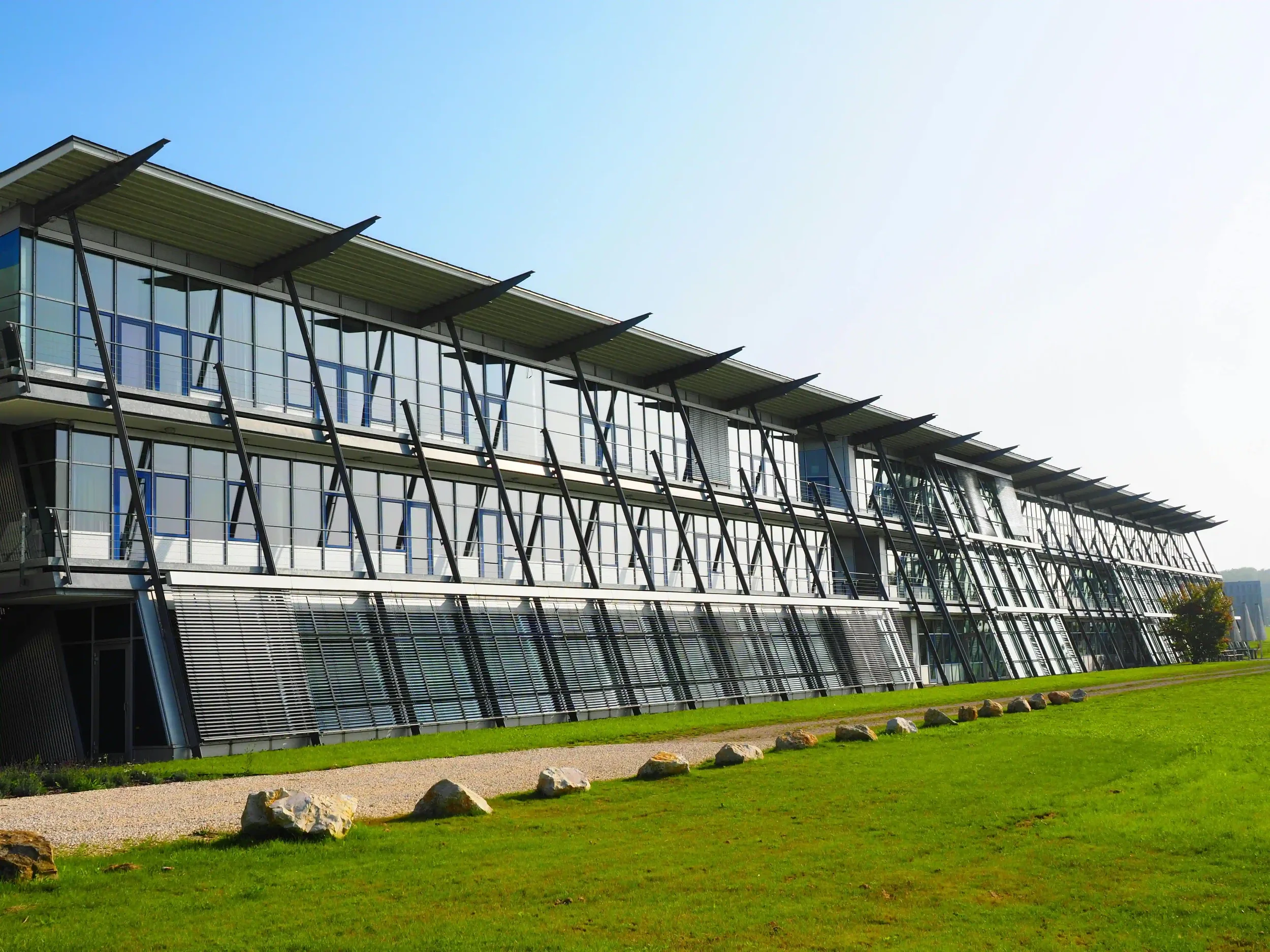
THE PERIMETER ROOF EDGE
This presentation will address current IBC code requirements and various metal edge designs and their wind uplift performance. Various options will be discussed, along with examples of selecting appropriate metal edge systems.

ROOFTOP AMENITY SPACE
Historically, rooftops were a place rarely thought about, visited, or utilized by building owners and their tenants. However, with the scarcity and extremely high cost of land in urban environments, building owners and designers have begun to recognize this once overlooked space.
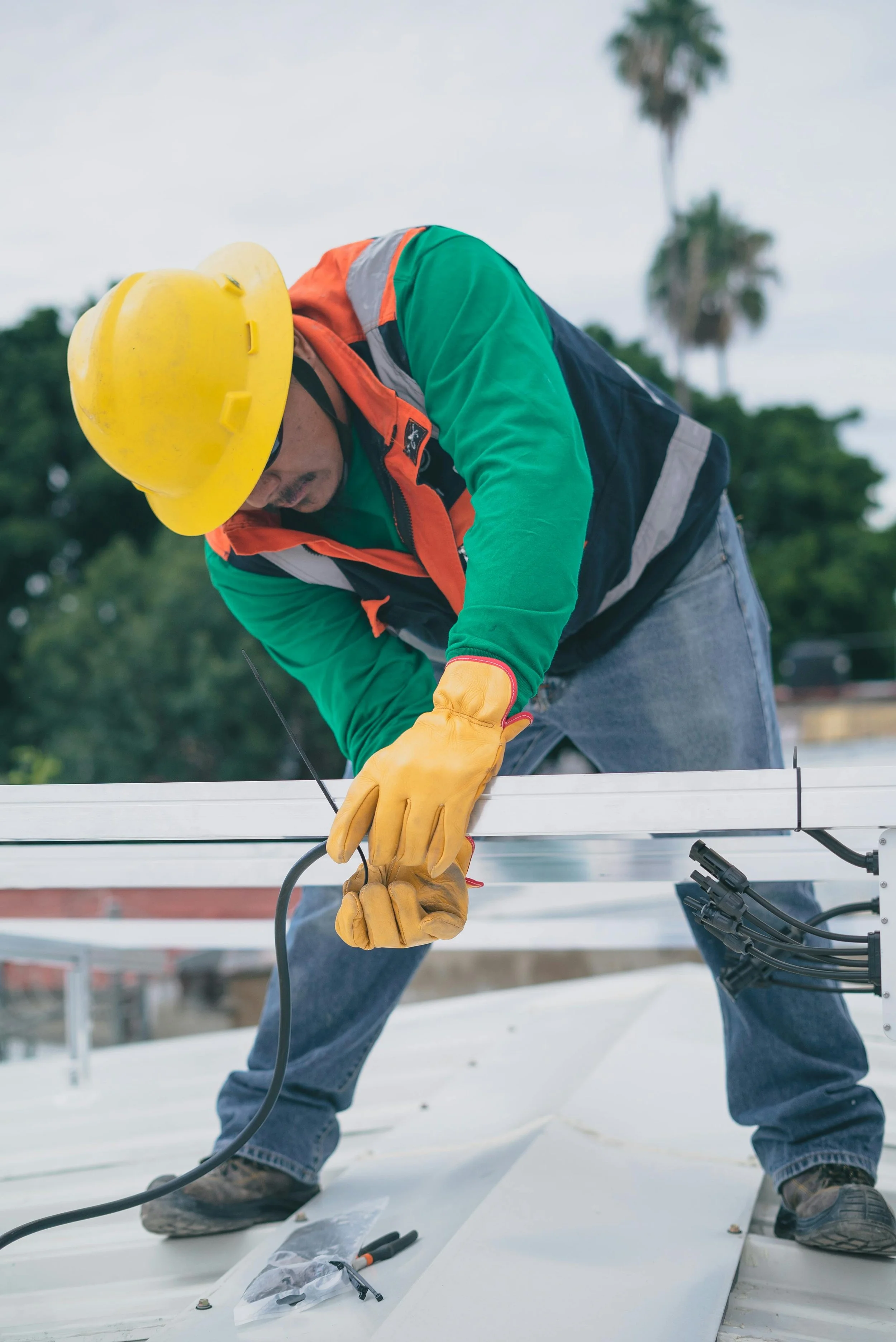
ELECTRONIC LEAK DETECTION TESTING, STANDARDS,SCIENCE, AND PRACTICAL APPLICATIONS
This course will cover Electronic Leak Detection (ELD) testing methods used for quality assurance. Participants will learn about the principles outlined in the ASTM Standard Guide D7877 and ASTM Standard Practice D8231 and will be able to identify which assemblies are compatible with electronic testing.

VEGETATED ROOFING SYSTEMS - VERSICO COURSE
Vegetated roofing systems provide many benefits to the man-made built environment. This presentation will explain these benefits while exploring the different design considerations, components, and guidelines that need to be followed for a successful installation that will perform as intended.
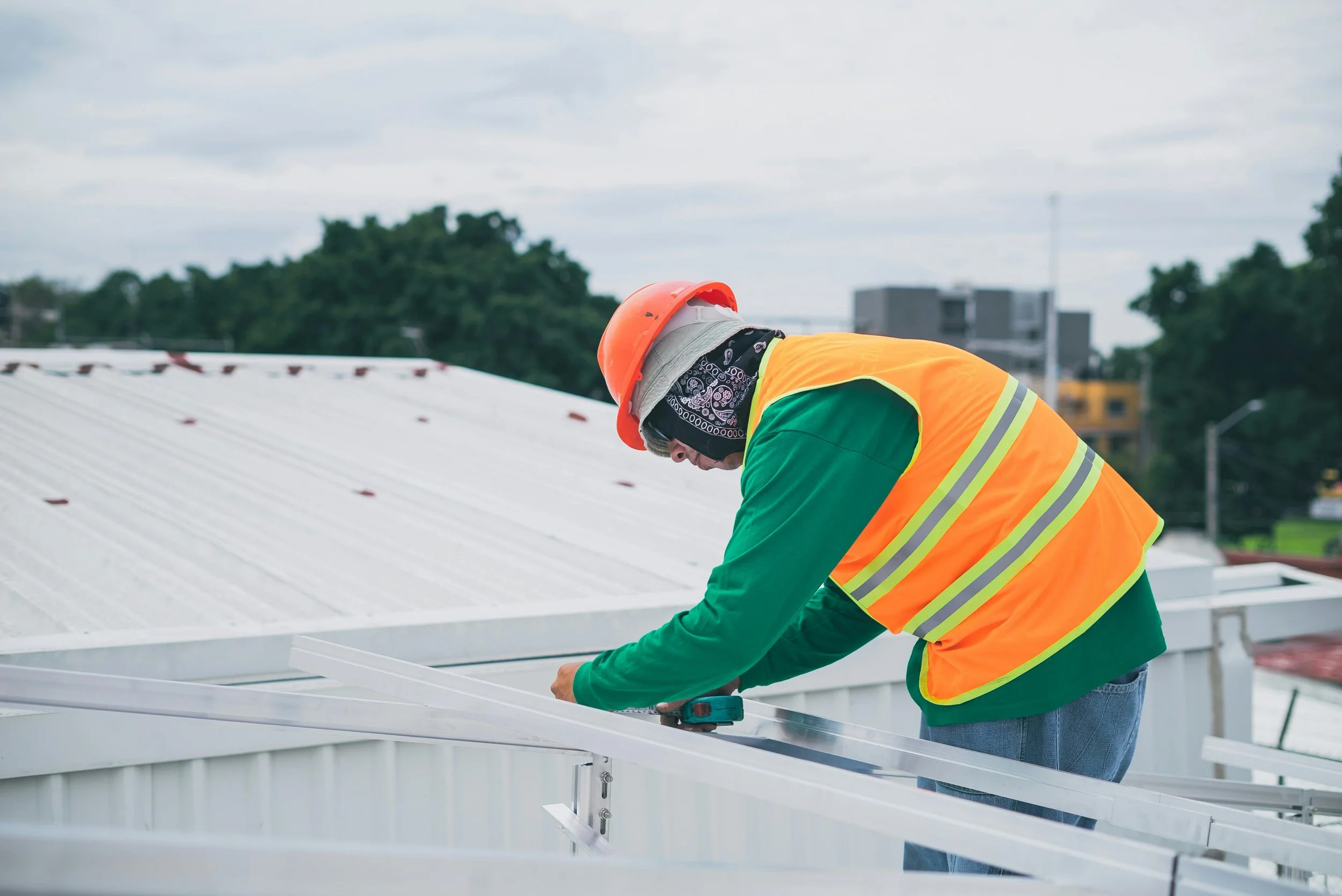
ROOF ASSEMBLY FIRE TESTING FOR CODE COMPLIANCE
The course will cover a general review of IBC roofing requirements, standards governing fire testing and an overview of flame spread, intermittent flame, burning brand, and the different code testing in place to protect the occupants of a building in the event of a fire.

NEW CONCRETE ROOF DECKS
Roof installations over new concrete roof decks can be challenging because the concrete is still wet beyond its structural cure time. General contractors want roofing to begin as soon as possible once the roof deck has hit its structural cure, but they don’t realize that moisture can comprise the integrity of a roof system.
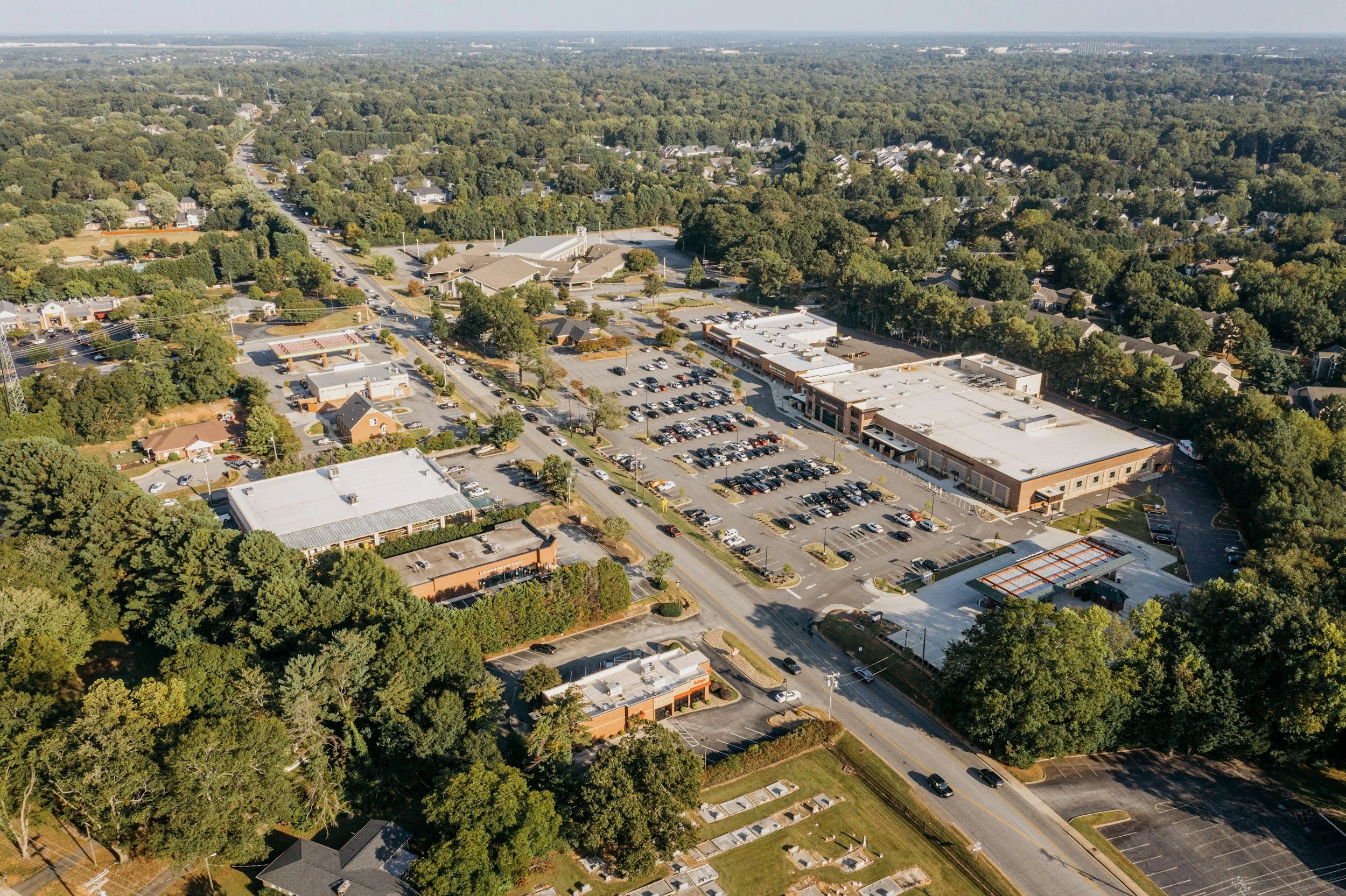
ROOFING WIND SPEEDS - ASCE 7, UPLIFT RATINGS, AND WARRANTIES
In the industry there is a need to sort out the confusion between building codes, uplift rated assemblies, and warranties by explaining what each offers and how they should be considered. To understand the building code, we need to review how uplift is determined and the industry’s accepted rating method of roofing assemblies for comparison.
ADDING INSULATION ON HEIGHT-RESTRICTED ROOFS
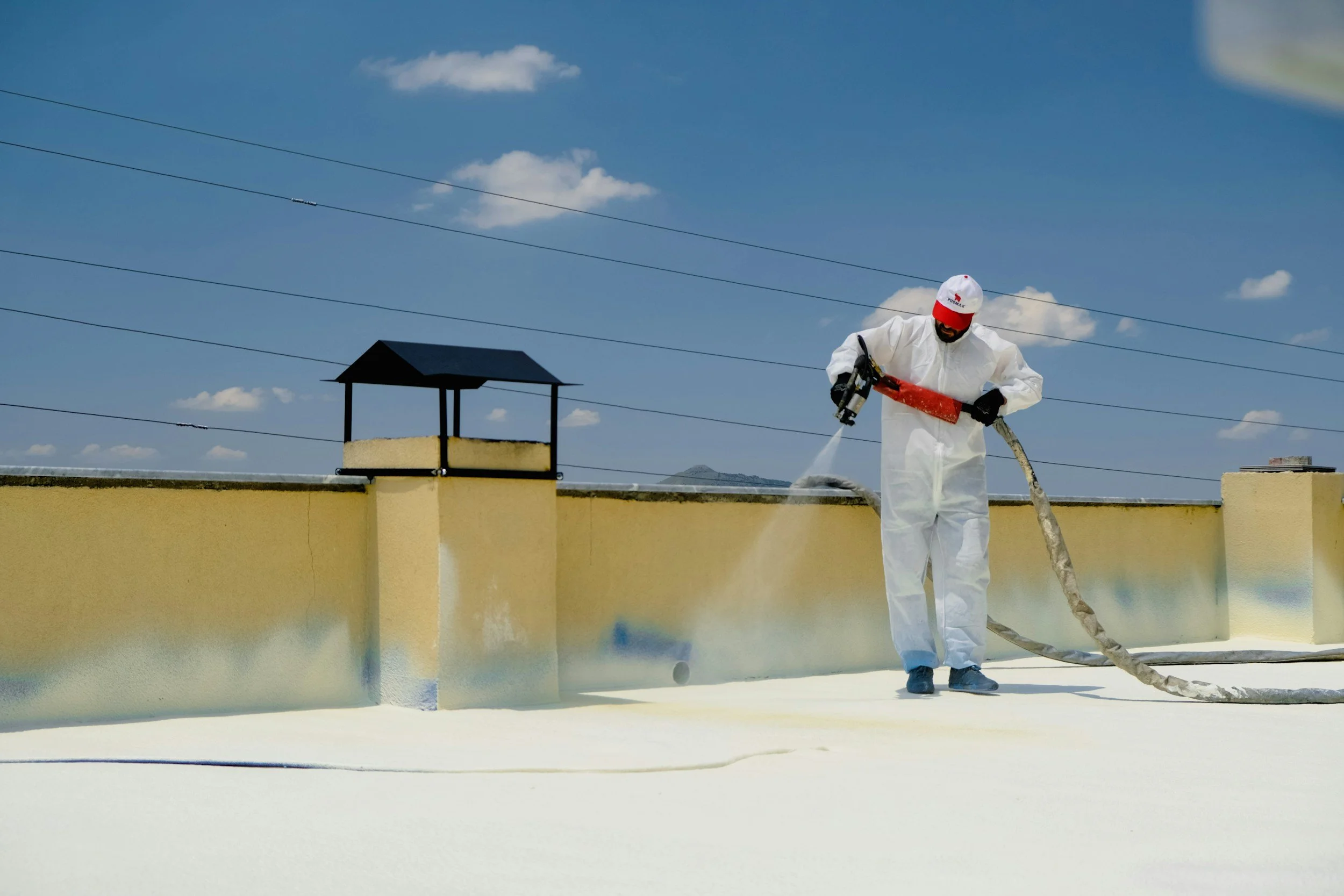
Adding insulation (R-value) in re-roofing applications can be challenging due to insulation height constraints. Low parapet and curb heights, through-wall scuppers, and penthouse doors and windows close to the roof’s surface can make it nearly impossible to add insulation without making significant modifications to the building.
THE ROLE OF COVER BOARDS IN ROOFING
The use of cover boards in low-slope single-ply roofing has drastically increased over the past five to ten years. As their popularity has grown, so has the cover board product offering. This nano course will highlight the role of a cover board and the options available.
INSULATION CHARACTERISTICS IN LOW-SLOPE ROOFING APPLICATIONS
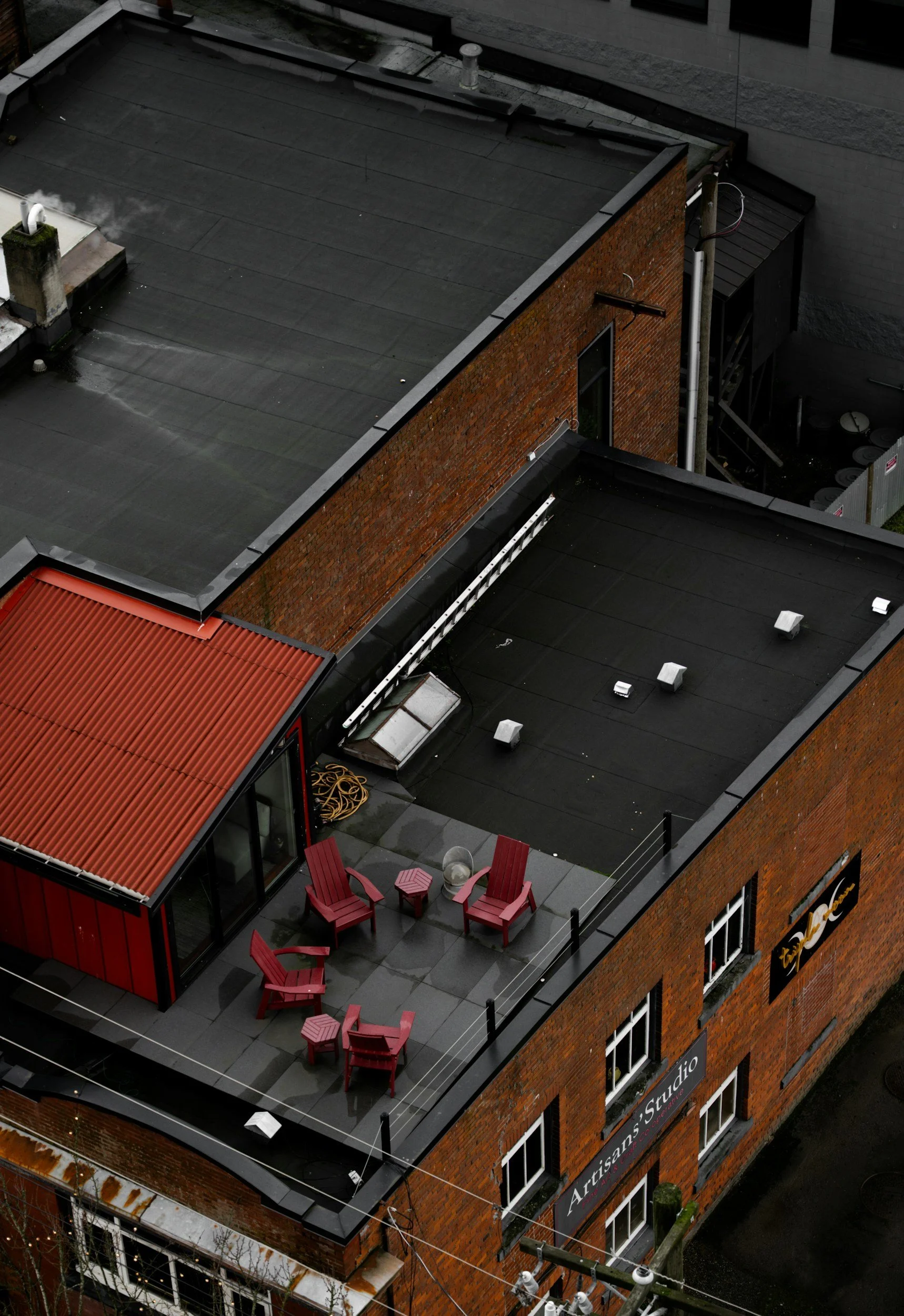
Course will describe insulation and its associated applications in commercial low-slope roofing related to energy-efficient design, fire resistance, code compliance, and enhancing building resiliency.
TAPERED POLYISO INSULATION - COMMERCIAL ROOF SYSTEMS
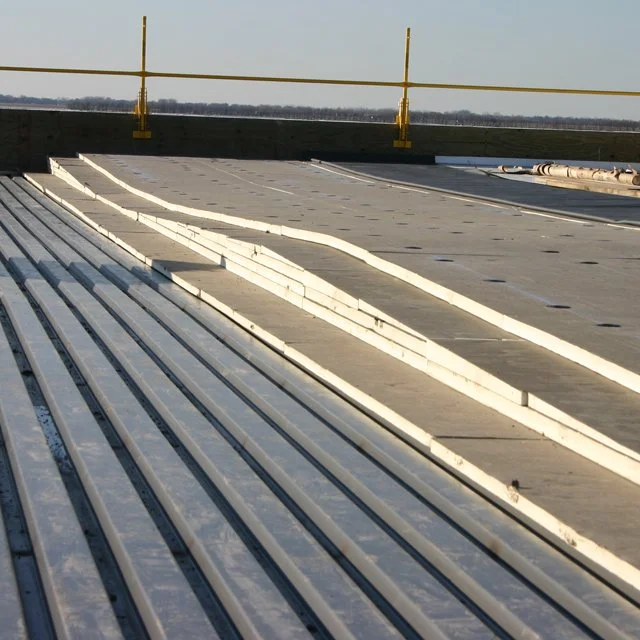
The goal of tapered roof insulation systems is to reduce or eliminate the amount of ponding/standing water on the finished membrane when the roof deck does not provide adequate slope. Draining the water in a timely and efficient manner minimizes the adverse effects that ponding/standing water can have on roof membranes.
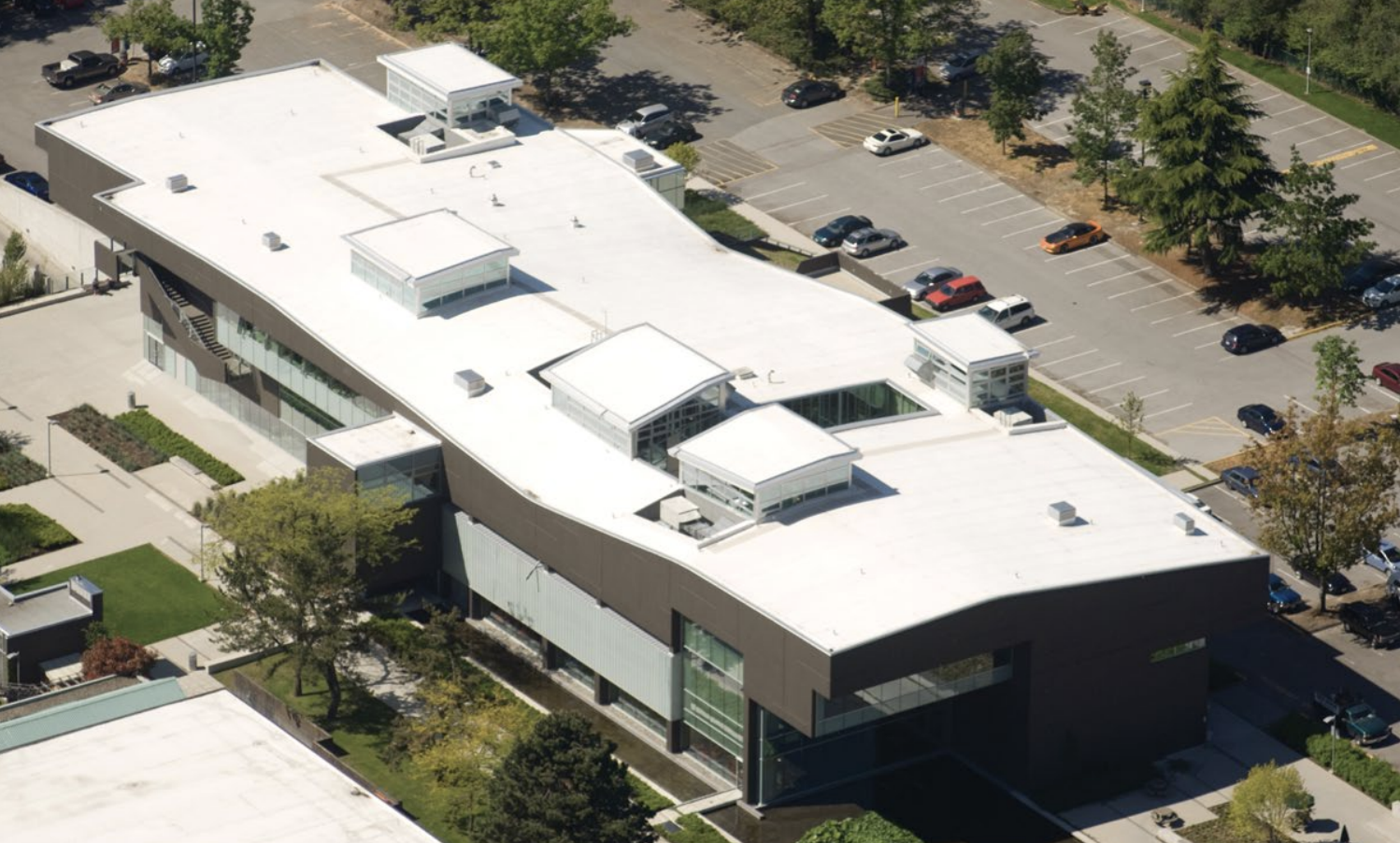
UNDERSTANDING PVC & KEE MEMBRANE ASTM STANDARDS
This course will outline PVC & KEE Membrane ASTM standards D4434 and D6754. It will explain the key aspects of each standard, describe the notable requirements, and help specifiers make more informed decisions when specifying PVC or KEE-based roofing membrane.
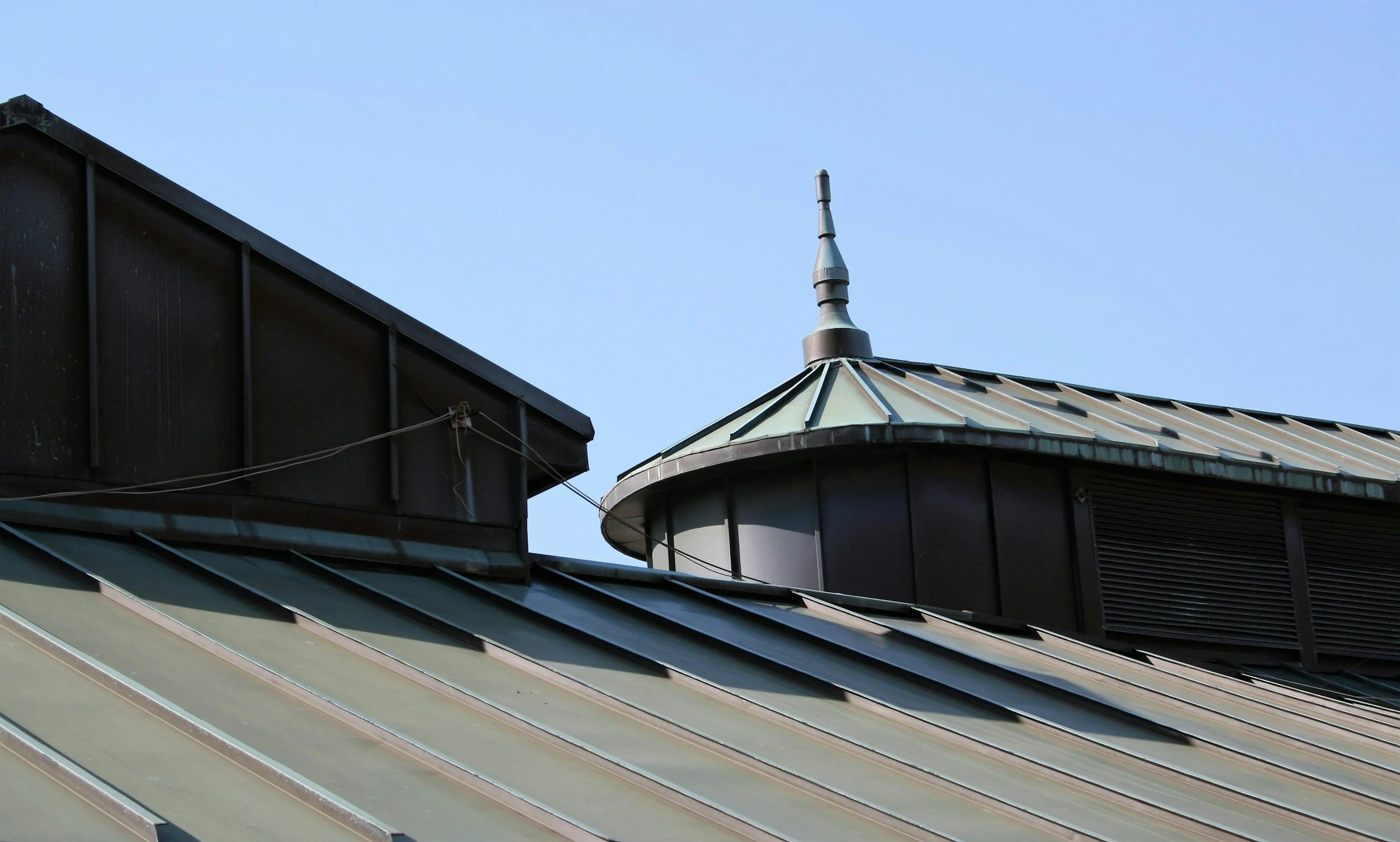
PVC ROOFING MATERIALS – PERFORMANCE, CONSTRUCTION, FUNCTIONALITY
This course will describe the many benefits of using a white reflective PVC roofing membrane, including saving energy and reducing the use of fossil fuels. The question of which buildings should consider PVC roofs will also be discussed.
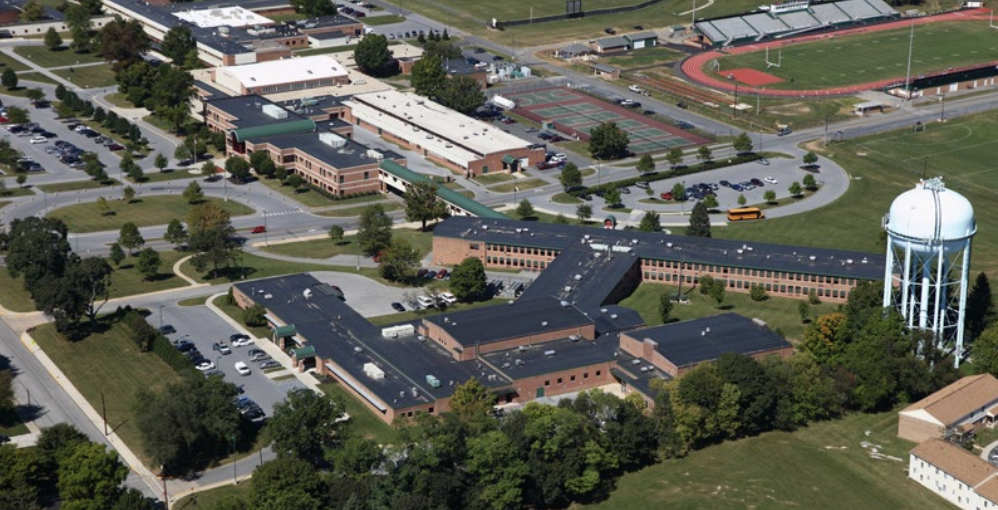
TPO TECHNOLOGY: UNDERSTANDING PROVEN PERFORMANCE AND THE MOST RECENT DEVELOPMENTS
This course reviews the basics of TPO roofing systems and discusses the latest in TPO roofing technology and performance improvements. TPO membrane is the most widely used low-slope roofing material in North America, accounting for more than half of all low-slope roofs installed each year.
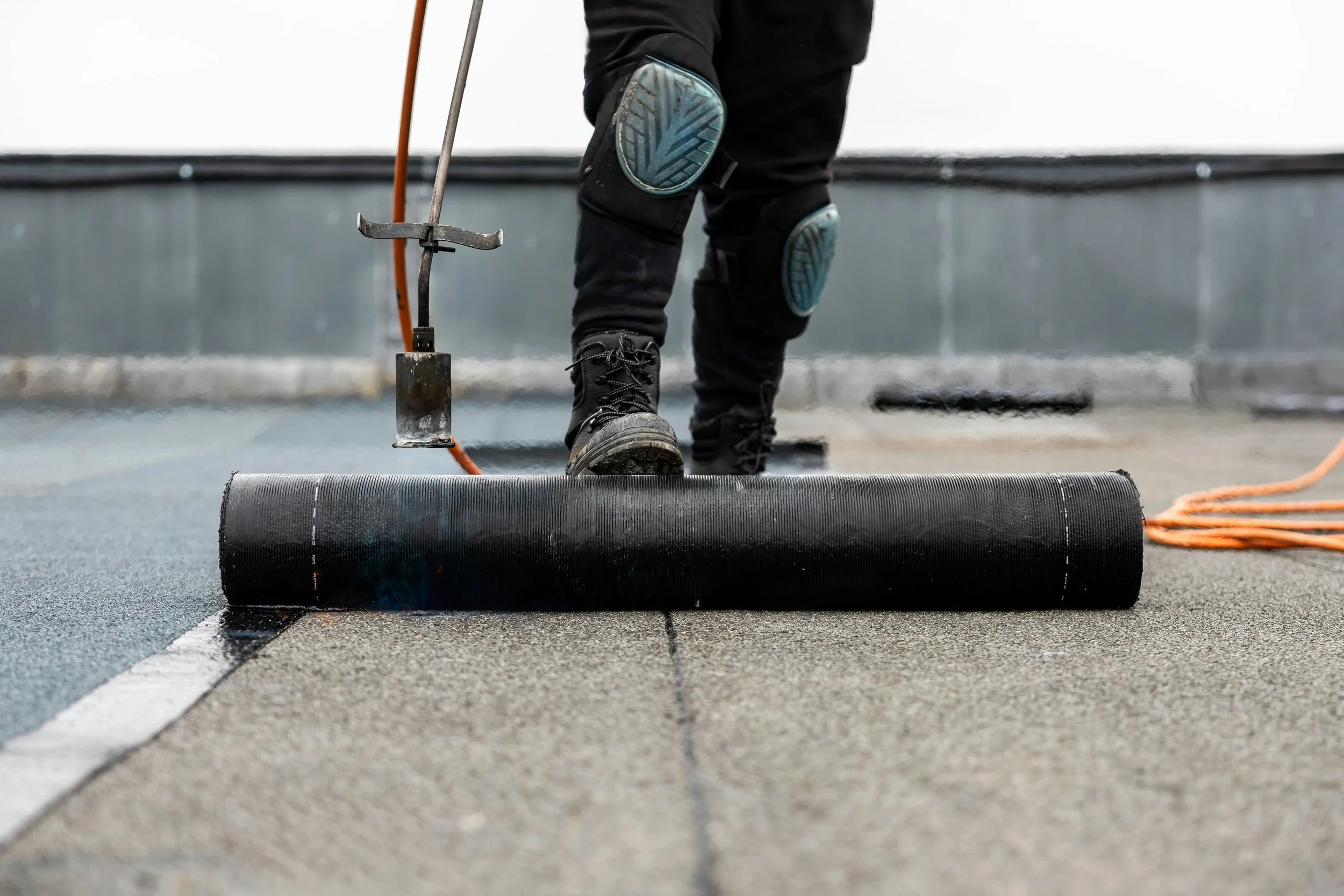
TOP 10 REASONS TO CHOOSE AN EPDM ROOF
This presentation is designed to help architects, specifiers, consultants, and building owners understand the primary reasons why they may want to upgrade to an EPDM rubber roof. A basic understanding of available commercial roofing options is helpful but not absolutely necessary to gain insight from this program.
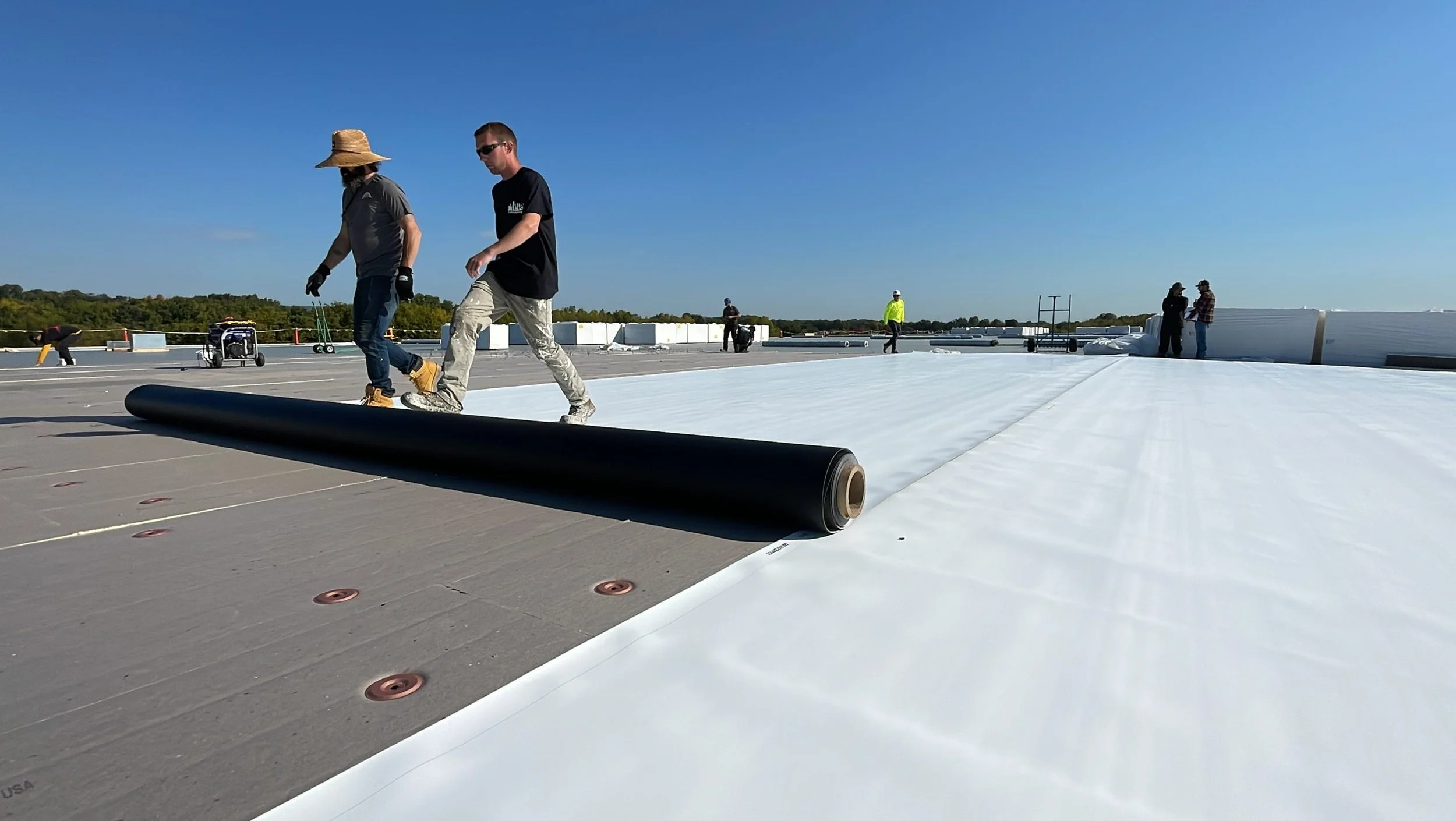
SINGLE-PLY ROOFING TECHNOLOGY
This one-hour session will include topics ranging from industry issues such as enhanced roofing system design options to market trends including ANSI/SPRI ES-1 for metal edging, ASCE 7, and the International Building Code, as well as roof system warranties.
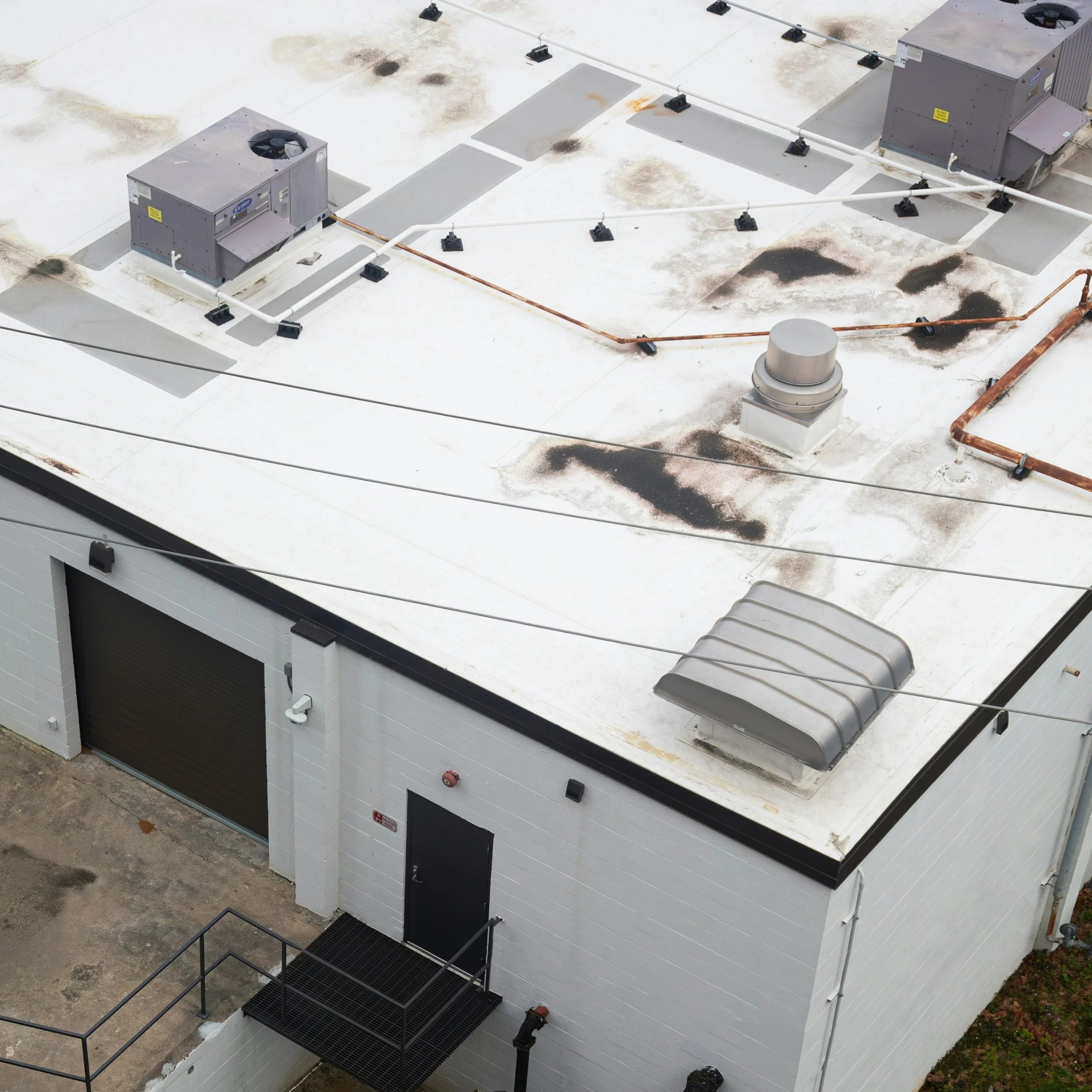
BLACK OR WHITE MEMBRANE, WHAT IS THE SUSTAINABLE AND ENERGY EFFICIENT CHOICE?
The one-hour session will cover the energy impact of roof color based on various geographic regions along with a review of the performance trade-offs and other considerations that go into a sustainable roofing system design.
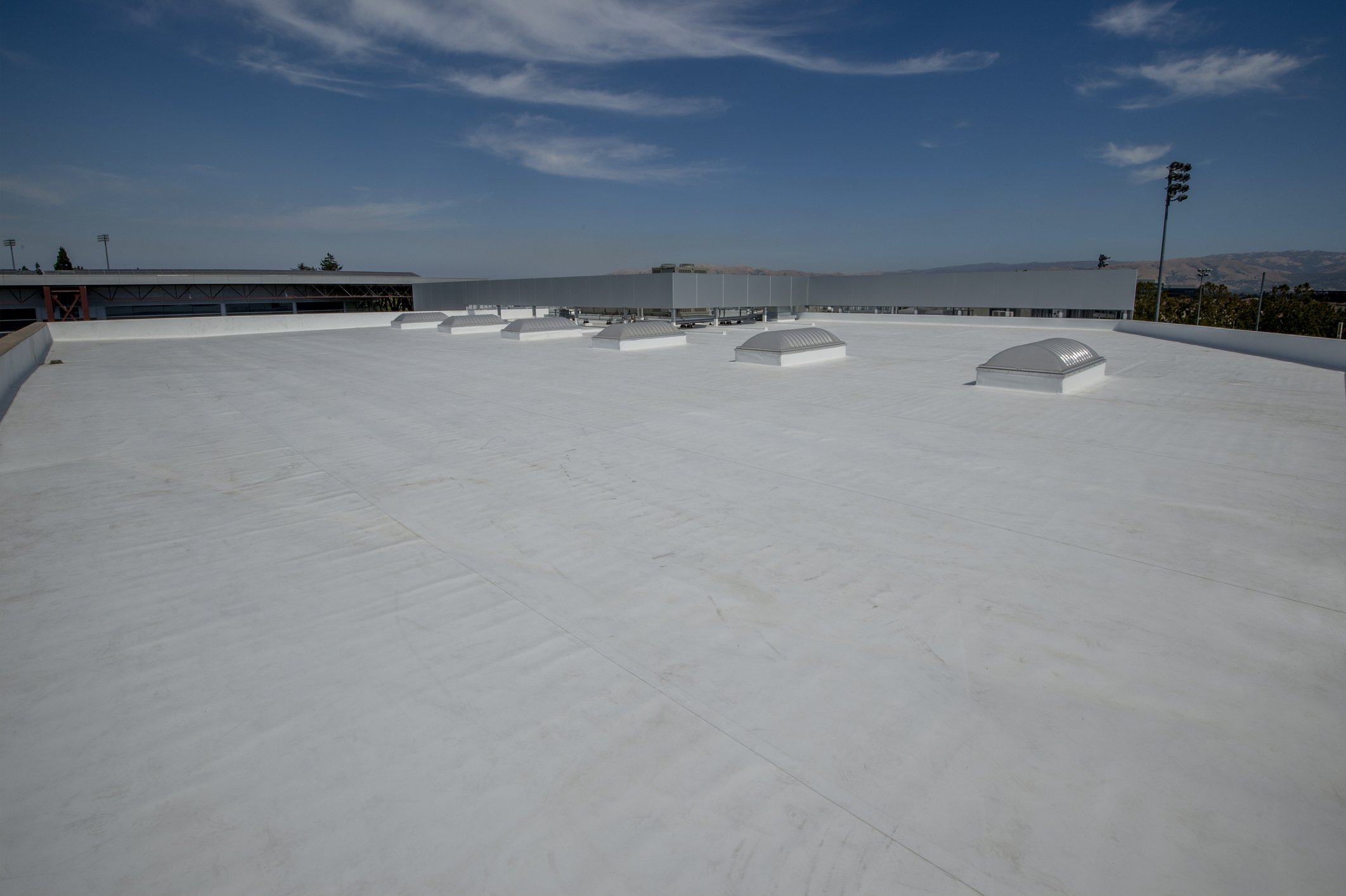
EVOLUTION OF WHITE EPDM
ince the introduction of white EPDM roofs in 1987, numerous enhancements have been made to the membrane and system components, making today’s white EPDM systems far more robust and a greater value than ever before.
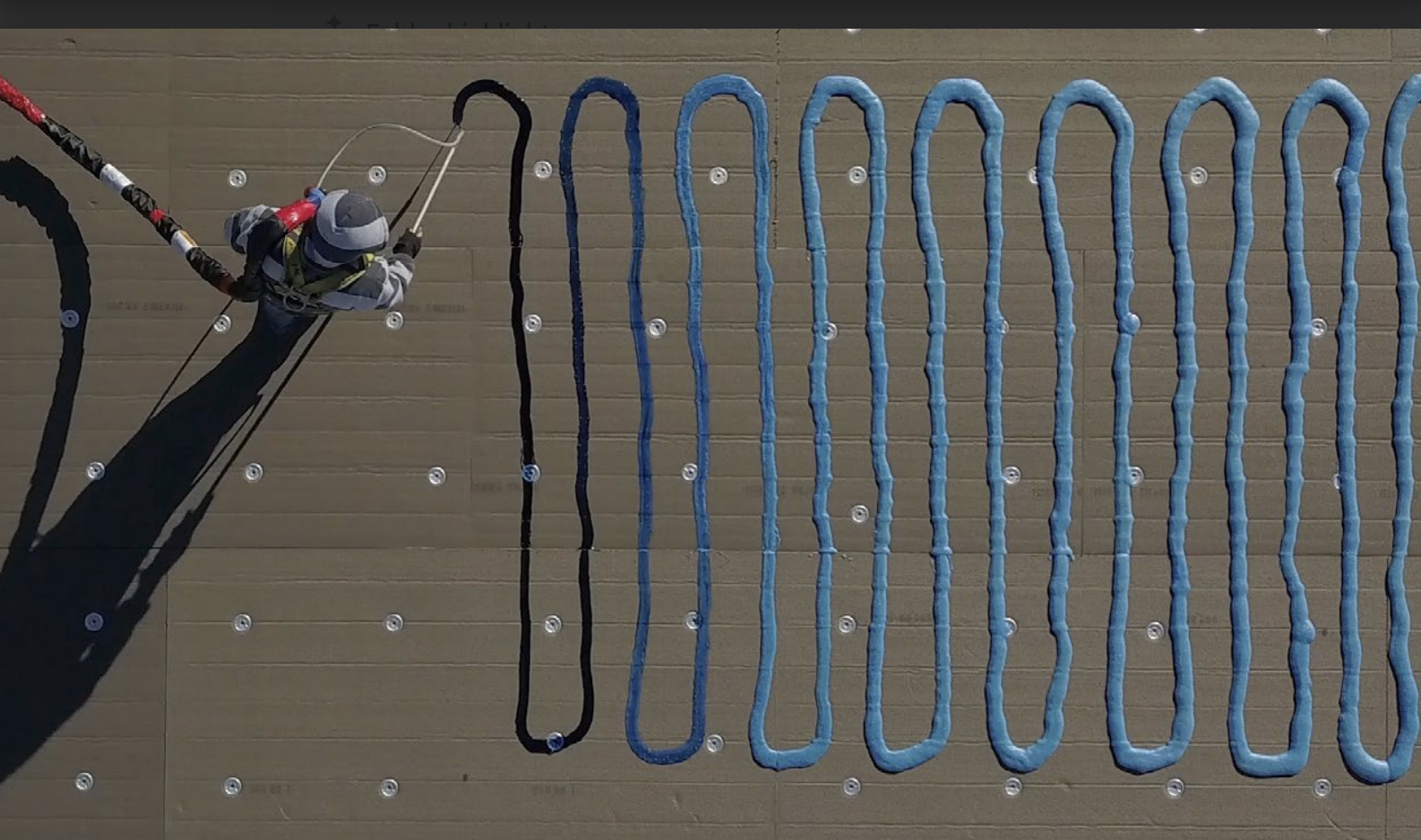
FLEECE MEMBRANES AND URETHANE ADHESIVES –INDUSTRY-LEADING PERFORMANCE
In this program the participants will learn about the physical characteristics of different types of fleece-backed single-ply membranes, including EPDM, TPO, PVC, and KEE HP, as well as the benefits of the addition of fleece to the membranes.